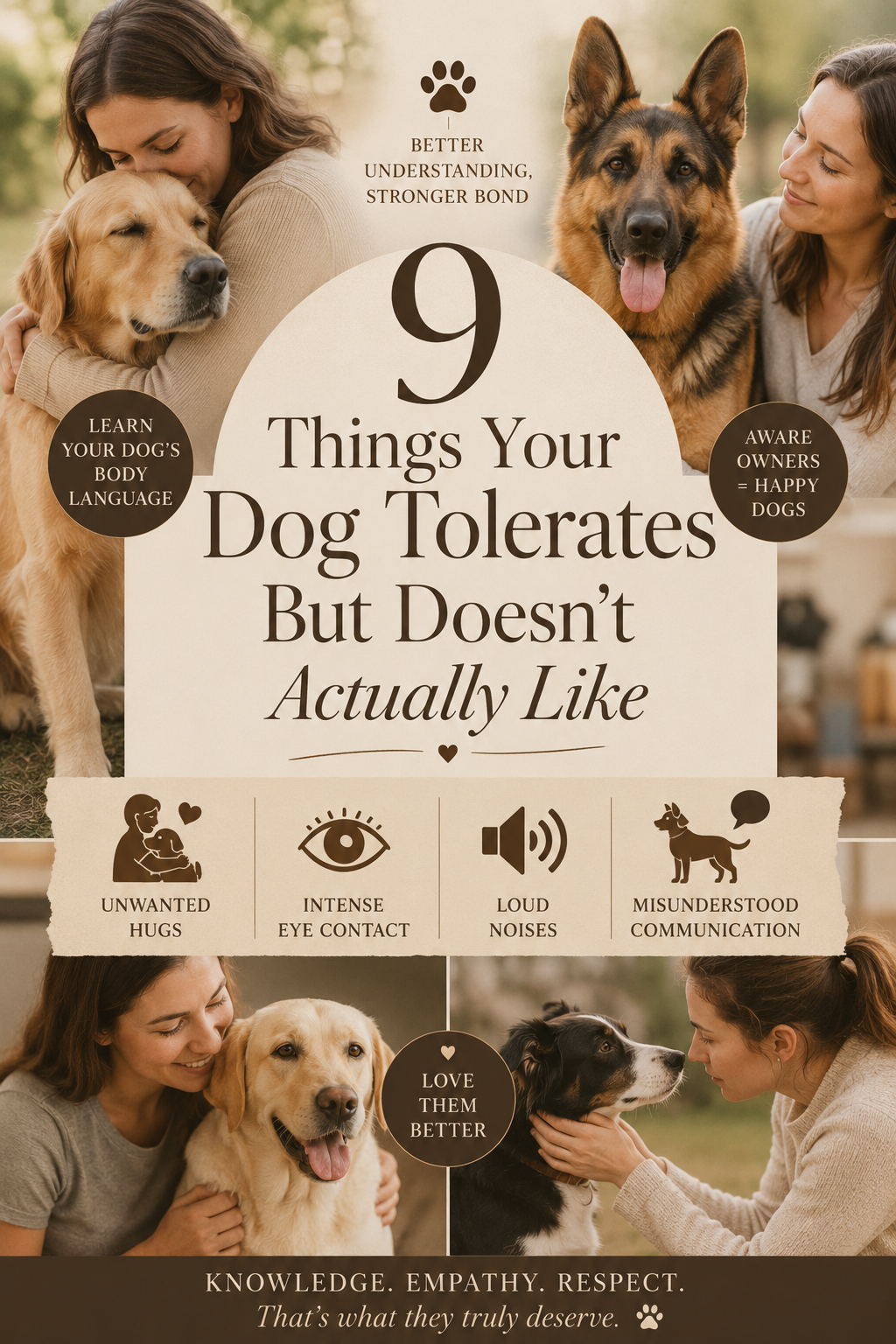
Most dog owners genuinely love their dogs.
We cuddle them, talk to them, surprise them with affection, and try our best to make them happy.
But here’s something many dog parents don’t realize:
Dogs often tolerate certain human behaviors because they love us—not because they actually enjoy those behaviors.
A dog may remain still, walk away quietly, lick its lips, yawn, or simply endure a situation without showing obvious signs of discomfort.
Unfortunately, many owners misinterpret this tolerance as enjoyment.
Understanding what your dog truly likes—and what they simply put up with—can dramatically improve your relationship, reduce stress, and help your dog feel safer and more understood.
Let’s explore nine common things many dogs tolerate but don’t necessarily enjoy.
Why Understanding Dog Body Language Matters
Dogs communicate differently than humans.
While people use words, dogs rely heavily on:
- Body posture
- Facial expressions
- Ear position
- Tail movement
- Eye contact
- Movement patterns
Many signs of discomfort are subtle.
A dog doesn’t need to growl or bark to be stressed.
Learning these signals helps prevent misunderstandings and creates a stronger bond.
1. Tight Hugs
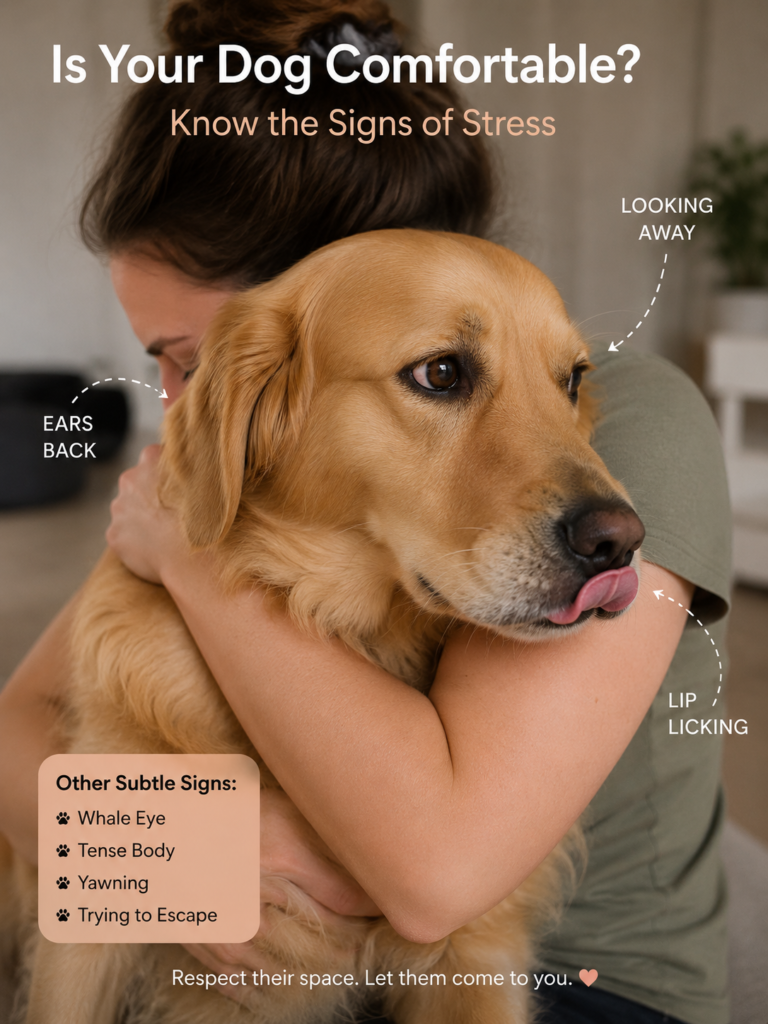
Many people naturally want to hug their dogs.
After all, hugs are a sign of affection among humans.
But dogs don’t naturally hug one another.
Why Some Dogs Dislike It
A tight hug can feel:
- Restrictive
- Uncomfortable
- Stressful
Dogs generally prefer having freedom of movement.
When restrained, some dogs may feel trapped.
Signs Your Dog Isn’t Enjoying the Hug
Watch for:
- Lip licking
- Turning their head away
- Yawning
- Stiff body posture
- Trying to leave
Better Alternative
Try:
- Gentle chest rubs
- Ear scratches
- Side cuddles
These forms of affection are often more comfortable for dogs.
2. Face-to-Face Contact
Humans often show affection through direct eye contact and close facial interaction.
Many dogs see this differently.
Why It Can Feel Intimidating
Direct face-to-face contact may feel:
- Confrontational
- Overwhelming
- Stressful
Especially when strangers do it.
Better Alternative
Approach calmly from the side and allow the dog to initiate interaction.
Most dogs appreciate having a choice.
3. Being Woken Up Suddenly
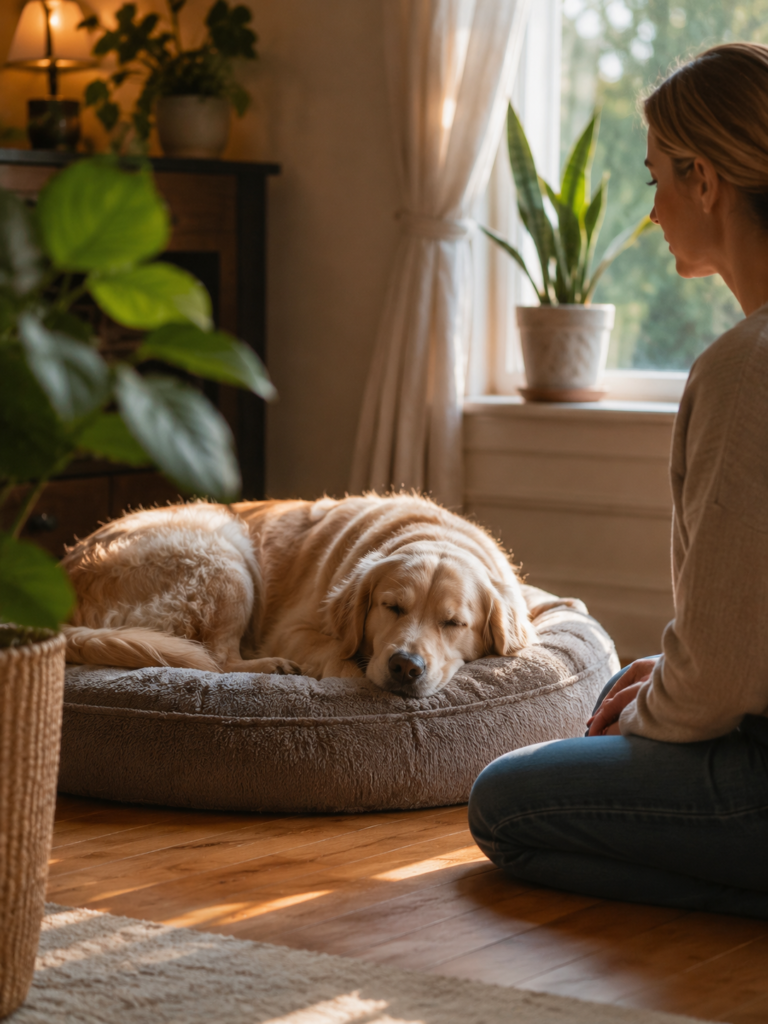
Imagine someone turning on bright lights and shaking you awake unexpectedly.
Many dogs feel similarly.
Why Dogs Dislike It
Sudden waking can:
- Startle them
- Cause confusion
- Increase anxiety
This is particularly important for:
- Senior dogs
- Puppies
- Hearing-impaired dogs
Better Alternative
Wake dogs gently with:
- Soft voices
- Gentle movement nearby
- Light touch if necessary
4. Loud Environments
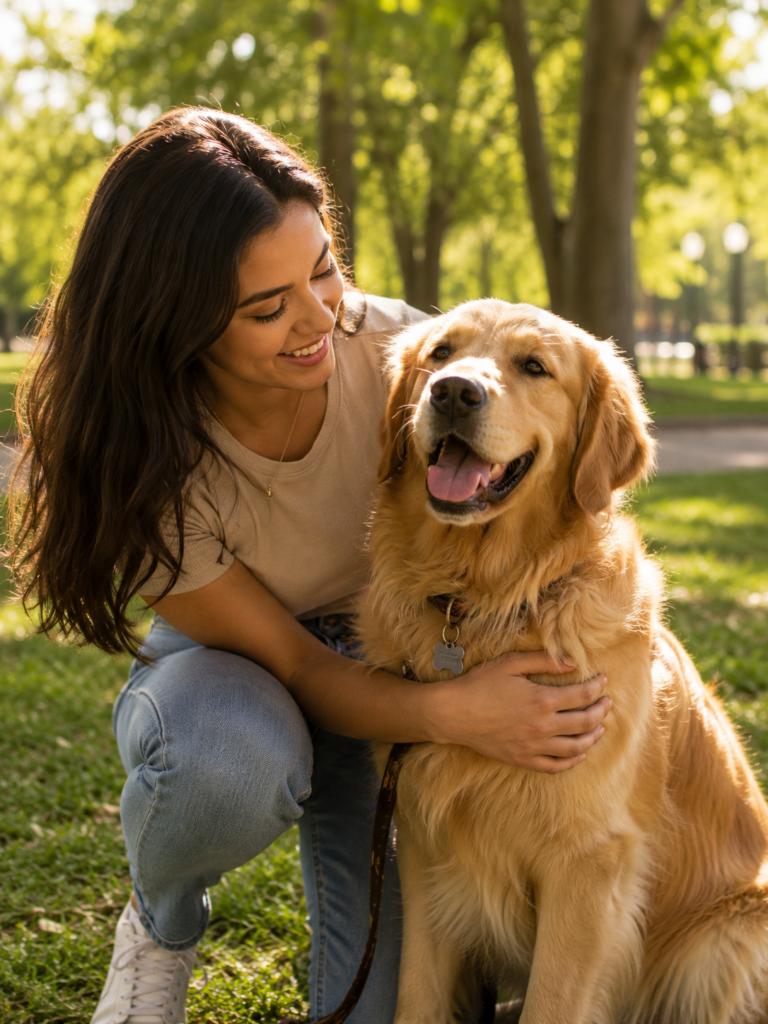
Not all dogs enjoy noise.
Dogs hear significantly better than humans.
Sounds That May Cause Stress
Examples include:
- Fireworks
- Loud music
- Crowded events
- Construction noise
- Yelling
What sounds exciting to us may feel overwhelming to them.
Signs of Noise Stress
Look for:
- Panting
- Pacing
- Trembling
- Hiding
- Excessive barking
5. Forced Interactions
Many owners assume every dog wants to meet every person or dog.
That’s not always true.
Why Forced Greetings Can Be Stressful
Just like people, dogs have individual preferences.
Some dogs enjoy:
- Socializing
- Meeting new friends
Others prefer:
- Smaller circles
- Familiar companions
Better Alternative
Allow your dog to choose interactions whenever possible.
Choice builds confidence.
6. Inconsistent Rules
Dogs thrive on consistency.
One day allowing a behavior and punishing it the next creates confusion.
Common Examples
- Allowing couch access sometimes
- Using different commands
- Inconsistent routines
Why Consistency Matters
Predictability helps dogs feel secure.
Clear expectations reduce stress.
7. Constant Interruptions
Dogs need downtime too.
Many owners unintentionally interrupt their dogs repeatedly.
Examples
- Waking them frequently
- Constant petting
- Repeated commands
- Never allowing alone time
Why Rest Matters
Rest supports:
- Mental health
- Physical recovery
- Emotional balance
Even highly social dogs need personal space.
8. Rough or Unpredictable Play
Most dogs love play.
However, not all play styles are enjoyable.
Problem Behaviors
Examples include:
- Excessive chasing
- Rough grabbing
- Sudden movements
- Unpredictable handling
Signs Play Is Becoming Stressful
Watch for:
- Avoidance
- Tucked tail
- Excessive panting
- Attempts to leave
Good play should feel fun for both dog and owner.
9. Being Stared At
Humans often view eye contact positively.
Dogs can interpret prolonged staring differently.
Why It Feels Uncomfortable
Among dogs, direct staring can sometimes signal:
- Tension
- Challenge
- Pressure
Many dogs become uncomfortable when strangers stare at them.
Better Alternative
Use soft eye contact and relaxed body language.
This feels less threatening.
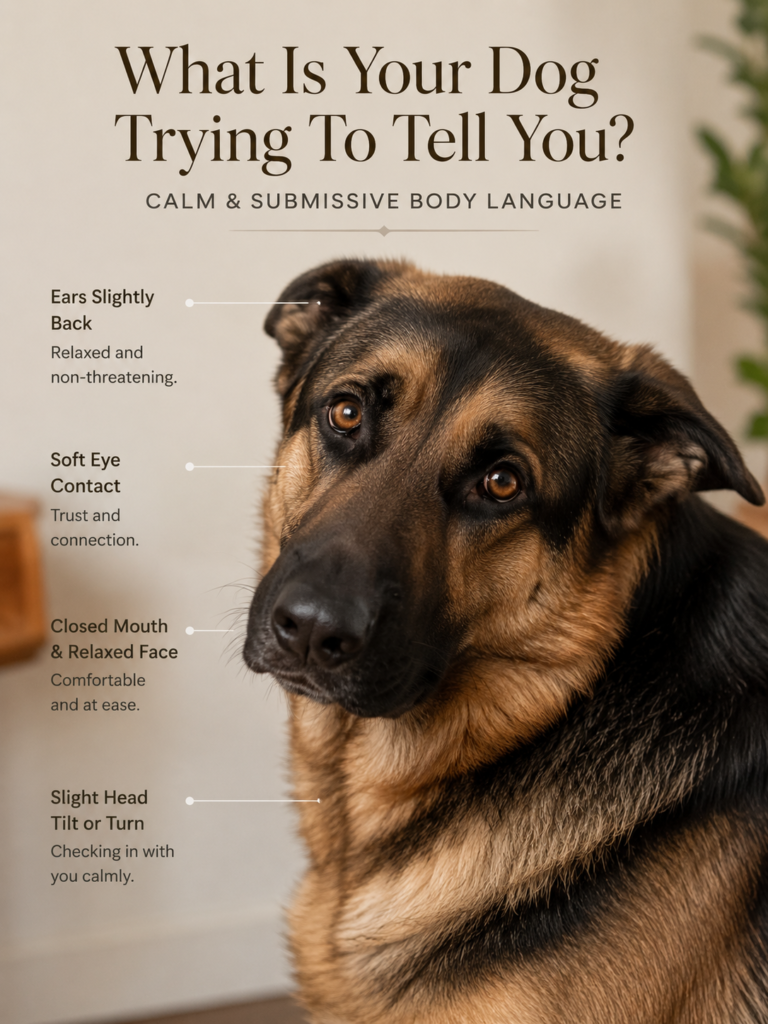
Common Signs Your Dog Is Uncomfortable
Many dogs communicate discomfort subtly.
Watch for:
- Lip licking
- Yawning
- Looking away
- Turning the head
- Whale eye (showing the whites of the eyes)
- Pacing
- Tail tucked
- Ears pinned back
Recognizing these signals can help you respond before stress escalates.
What Dogs Usually Enjoy Instead
While every dog is different, many dogs enjoy:
Predictable Routines
Dogs thrive on consistency.
Positive Reinforcement
Rewards encourage confidence and learning.
Choice-Based Interactions
Allowing dogs to approach people voluntarily often reduces stress.
Sniff Walks
Exploration is mentally enriching.
Gentle Physical Affection
Many dogs prefer:
- Chest rubs
- Shoulder scratches
- Calm petting
over tight hugs.
Why Understanding Dog Preferences Builds Trust
Trust isn’t created through control.
It’s built through understanding.
When owners learn to recognize and respect their dog’s comfort level, dogs often become:
- More confident
- More relaxed
- More affectionate
- More responsive
Respecting boundaries doesn’t weaken the bond.
It strengthens it.
Why This Topic Is Going Viral
Dog owners increasingly want to understand canine behavior better.
Popular searches include:
- Dog body language
- Signs your dog is stressed
- Things dogs hate
- Dog behavior tips
- Dog training advice
- Understanding dogs
People are realizing that improving communication leads to happier pets.
How to Become a Better Dog Parent
The goal isn’t perfection.
The goal is awareness.
Start by observing your dog’s reactions.
Ask yourself:
- Does my dog seem relaxed?
- Does my dog have a choice?
- Am I respecting their signals?
Small adjustments can make a big difference.
Final Thoughts
Dogs are incredibly patient with the people they love.
Many behaviors they tolerate every day aren’t necessarily things they enjoy.
By understanding what makes your dog comfortable—and what may create stress—you can create a healthier, happier relationship built on trust and communication.
The best dog owners aren’t the ones who love their dogs the most.
They’re the ones who learn to understand them the best.