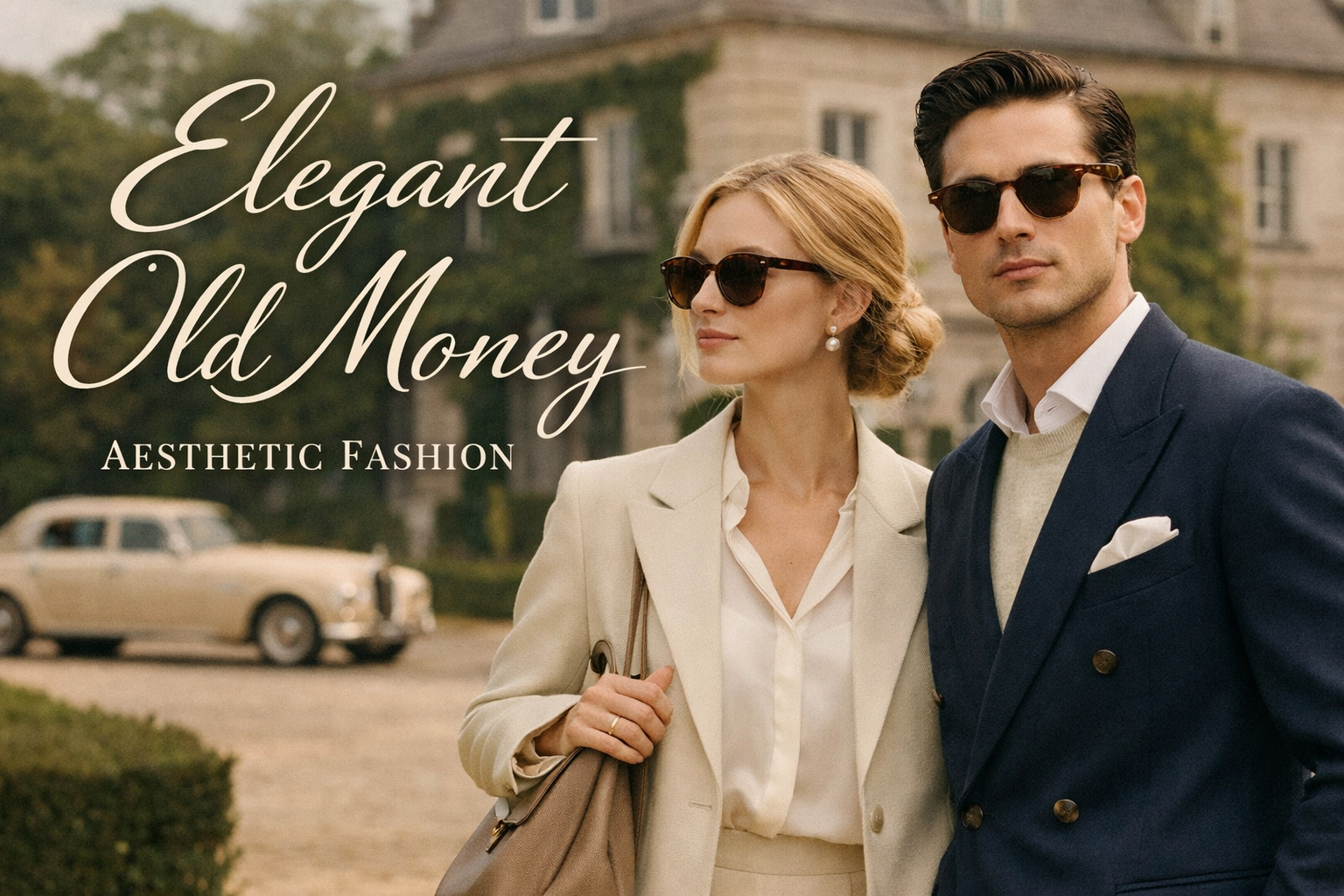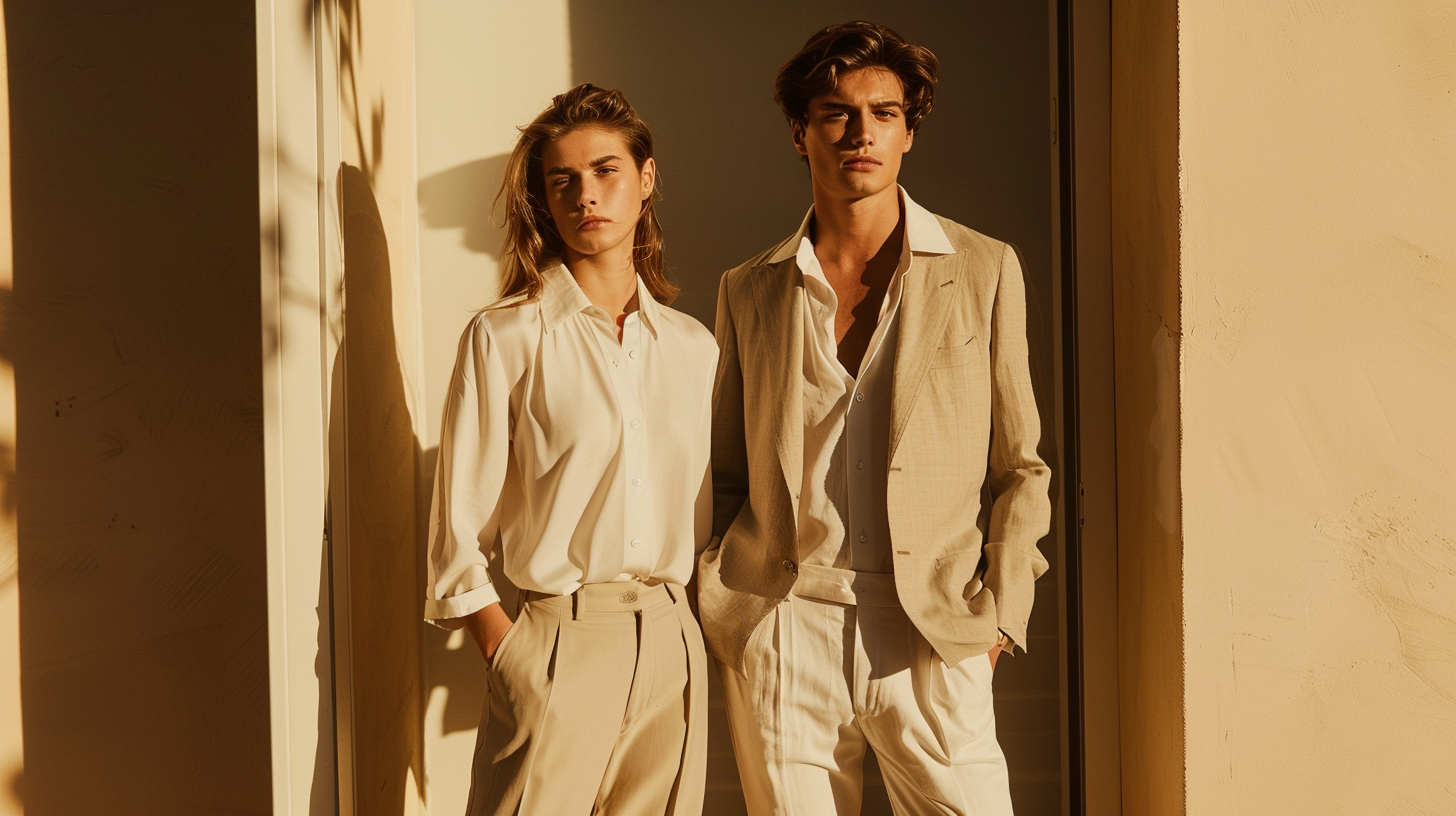
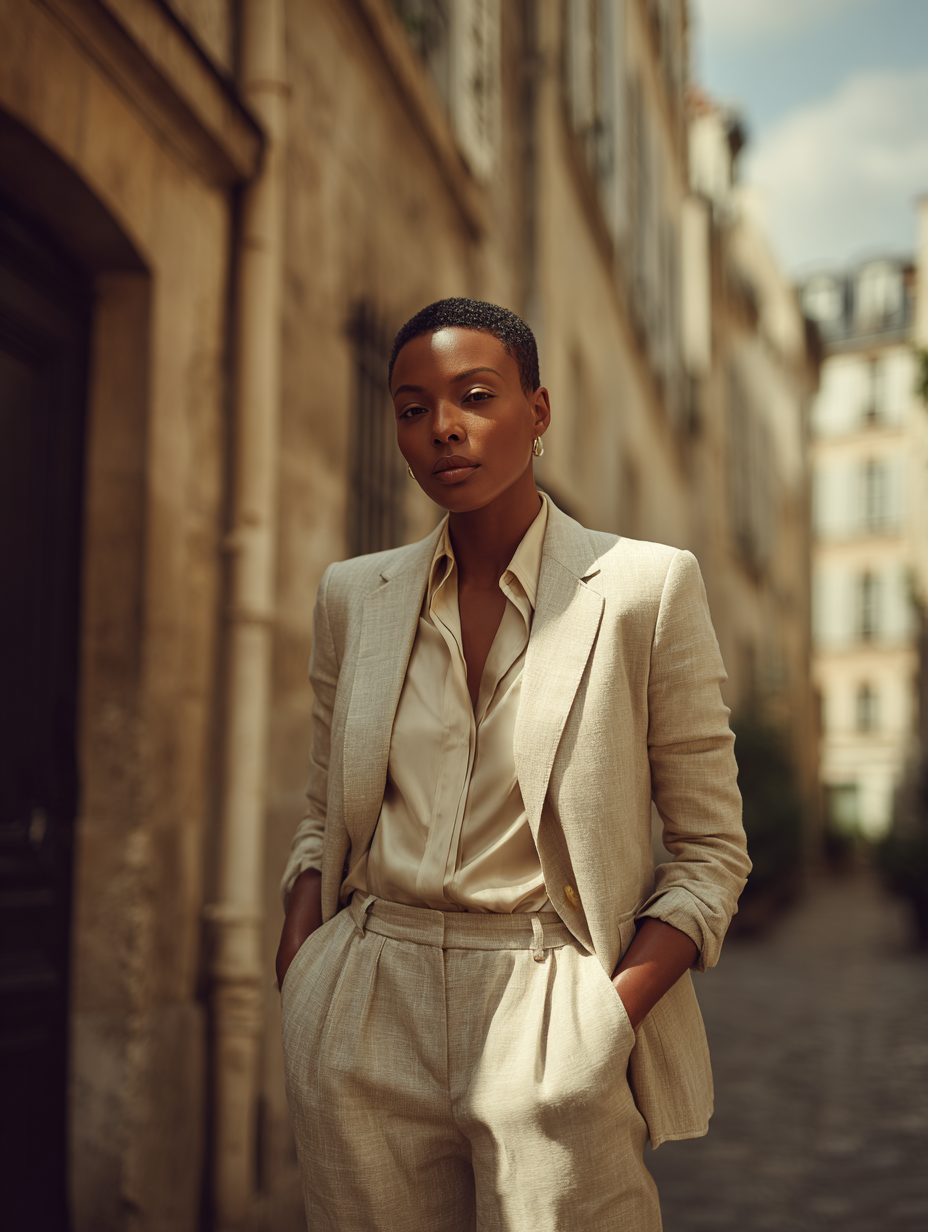
The elegant old money aesthetic is not a trend, a seasonal look, or a viral gimmick. It is a fashion philosophy rooted in heritage, discretion, and timeless refinement. Unlike flashy luxury or logo-driven styles, this aesthetic communicates wealth, confidence, and status quietly—through fabric quality, impeccable tailoring, and understated elegance.
In recent years, the rise of quiet luxury has brought renewed attention to old money fashion. Yet true old money style has existed for centuries, shaped by aristocratic traditions, elite education systems, and social codes that prioritize subtlety over display. Understanding this aesthetic requires more than copying outfits—it requires understanding its values, history, and mindset.
This guide explores the old money aesthetic in depth, from its origins and defining principles to wardrobe essentials, grooming, lifestyle choices, and how to adopt the look authentically in the modern world.
Understanding the Old Money Aesthetic
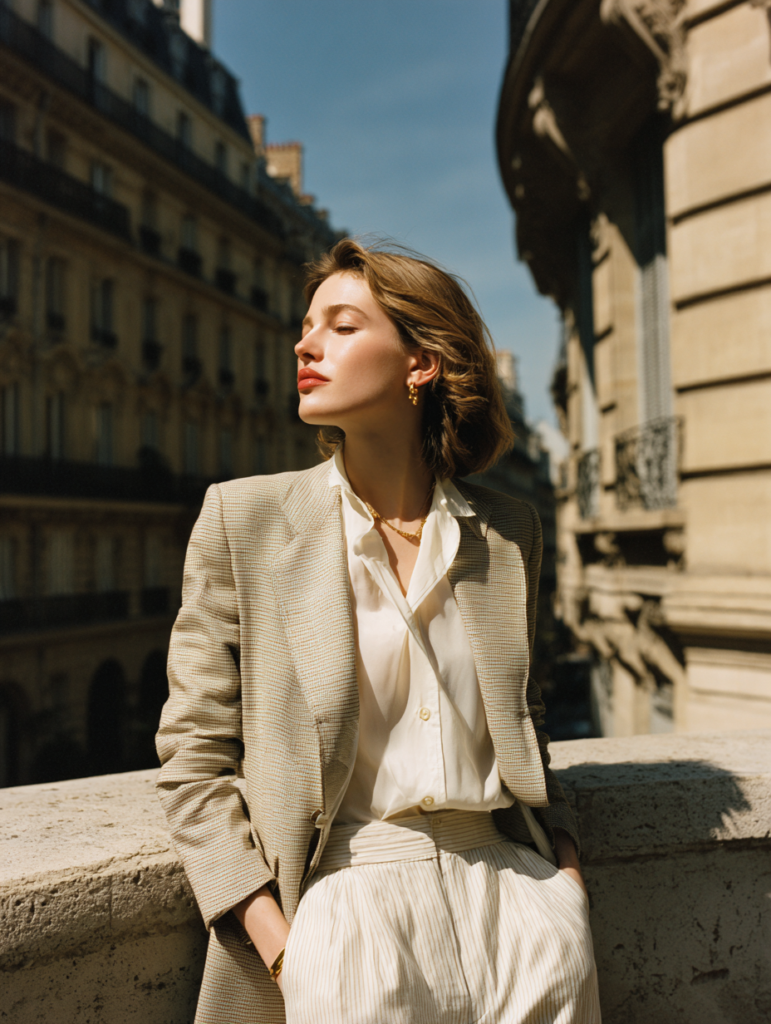
At its core, the old money aesthetic represents generational wealth that does not need validation. It is expressed through restraint rather than excess and confidence rather than attention-seeking.
Key characteristics include:
- Timeless silhouettes that transcend trends
- Neutral and muted color palettes
- High-quality natural fabrics
- Minimal or invisible branding
- Impeccable fit and tailoring
Old money fashion is deeply tied to social environments such as private schools, Ivy League universities, equestrian clubs, yacht communities, and historic European cities. Clothing in these spaces is designed to blend in among peers, not stand out.
Historical Roots of Old Money Style
The old money aesthetic developed organically among aristocratic and upper-class families in Europe and later in the United States. Fashion was shaped by:
- British aristocracy and country dressing
- French bourgeois refinement
- Italian tailoring traditions
- American East Coast elite culture
In the 19th and early 20th centuries, wealth was inherited rather than newly acquired. Clothing reflected:
- Practicality for estate life
- Modesty rooted in social etiquette
- Longevity over novelty
This is why old money fashion avoids experimental cuts or loud statements. Clothes were investments meant to last decades and be passed down generations.
Old Money vs Quiet Luxury
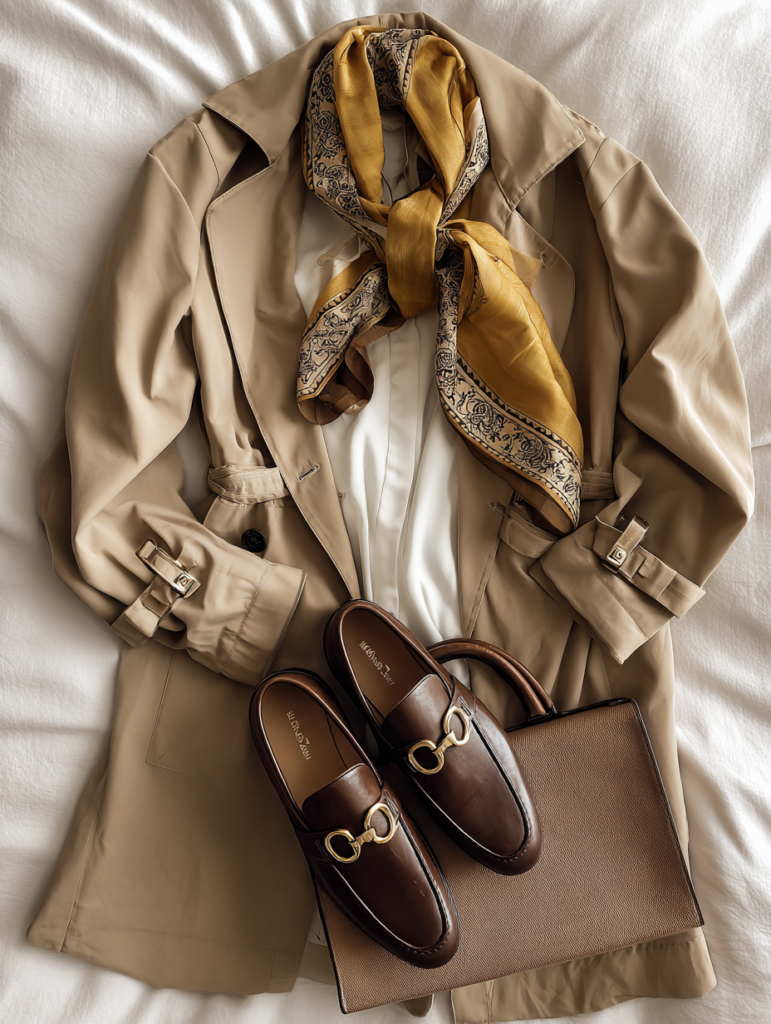
While often used interchangeably, old money and quiet luxury are not identical.
- Old money is cultural and generational
- Quiet luxury is a modern fashion movement inspired by old money
Quiet luxury borrows visual cues—neutral tones, clean lines, luxury fabrics—but old money style goes deeper. It extends beyond clothing into:
- Behavior
- Speech
- Grooming
- Lifestyle
Quiet luxury can be purchased. Old money style is cultivated.
Core Principles of Elegant Old Money Fashion
Timelessness Over Trends
Old money fashion rejects fast fashion cycles. Pieces are chosen because they remain relevant year after year.
Quality Over Quantity
A small wardrobe of high-quality garments is preferred over a large collection of mediocre ones.
Subtlety and Restraint
Nothing should look excessive. The goal is effortlessness, not perfection.
Fit Is Non-Negotiable
Tailoring is essential. Even simple garments appear luxurious when they fit perfectly.
The Old Money Color Palette
Color plays a crucial role in the old money aesthetic. The palette is deliberately restrained.
Primary colors include:
- Ivory and cream
- Beige, camel, and taupe
- Navy and soft black
- Olive and muted brown
Accent colors are minimal:
- Powder blue
- Soft blush
- Burgundy
- Forest green
Bright colors, neon tones, and high-contrast combinations are avoided.
Fabrics That Define Old Money Style
Fabric quality often distinguishes old money fashion more than design.
Preferred materials:
- Wool (especially merino and flannel)
- Cashmere
- Linen
- Silk
- Cotton poplin and oxford cloth
Synthetic fabrics are rarely used, except where functionality demands it.
Natural fibers age gracefully, developing character rather than looking worn.
Old Money Wardrobe Essentials for Women

Women’s old money fashion emphasizes elegance, femininity, and restraint.
Key pieces include:
- Tailored blazers in neutral shades
- Silk blouses with simple necklines
- Midi skirts and A-line silhouettes
- Wool trousers with clean lines
- Cashmere sweaters and cardigans
- Ballet flats, loafers, or low heels
Dresses are modest yet refined, often:
- Knee or midi length
- Solid colors or subtle patterns
- Structured but not tight
Old Money Wardrobe Essentials for Men
Men’s old money fashion is rooted in classic tailoring and preppy influences.
Essential items include:
- Navy or charcoal blazers
- White and light blue Oxford shirts
- Wool trousers and chinos
- Knit polos and fine-gauge sweaters
- Leather loafers, Oxfords, or driving shoes
Patterns are minimal:
- Pinstripes
- Herringbone
- Subtle checks
Logos are avoided entirely.
Outerwear in Old Money Fashion
Outerwear is one of the clearest signals of old money style.
Classic choices include:
- Wool overcoats
- Trench coats
- Tailored pea coats
- Tweed jackets
These pieces are structured, functional, and timeless.
Accessories the Old Money Way
Accessories should enhance an outfit quietly, never dominate it.
Preferred accessories:
- Structured leather handbags
- Slim leather belts
- Simple gold or pearl jewelry
- Classic watches with leather straps
- Silk scarves
Sunglasses are understated, often with:
- Thin metal frames
- Tortoiseshell acetate
If an accessory draws attention first, it does not align with the aesthetic.
Grooming and Personal Presentation
Old money fashion is incomplete without proper grooming.
Hair
- Natural, clean styles
- Soft waves, low buns, or sleek ponytails for women
- Classic cuts for men (side part, taper fade)
Makeup
- Minimal, neutral tones
- Emphasis on healthy skin
- No heavy contouring or dramatic colors
Grooming
- Clean nails
- Light or no fragrance
- Polished but natural appearance
Lifestyle and Behavior as Part of the Aesthetic
Old money style extends beyond clothing.
Lifestyle choices include:
- Reading and cultural awareness
- Calm, measured speech
- Polite manners
- Discretion on social media
True old money energy is conveyed through composure, not performance.
Old Money vs New Money Fashion
The contrast between old money and new money fashion is significant.
Old money:
- Neutral colors
- No logos
- Tailored silhouettes
- Timeless pieces
New money:
- Flashy branding
- Trend-driven outfits
- Statement luxury items
- Attention-focused styling
Old money blends in among peers. New money seeks recognition.
How to Achieve the Old Money Look on a Budget
Old money fashion is about taste, not price.
Smart strategies include:
- Thrifting high-quality vintage pieces
- Investing in tailoring
- Building a capsule wardrobe
- Choosing neutral basics first
A perfectly fitted blazer from a thrift store will always look more elegant than an ill-fitting designer piece.
Why the Old Money Aesthetic Is Popular Today
Several cultural shifts have fueled its resurgence:
- Fatigue from fast fashion
- Desire for longevity and sustainability
- Social media overexposure to flashy luxury
- Influence of minimalist and quiet luxury trends
The aesthetic represents stability, maturity, and confidence—qualities increasingly valued in uncertain times.
Common Mistakes When Trying Old Money Style
Avoid these pitfalls:
- Overdoing minimalism to the point of blandness
- Wearing all beige without structure
- Buying expensive items without tailoring
- Confusing simplicity with lack of effort
Old money style is simple, but never careless.
Old Money Fashion in Modern Context
Modern interpretations allow subtle updates:
- Slightly relaxed tailoring
- Modern fabrics with traditional cuts
- Mixing classic and contemporary pieces
The key is balance—honoring tradition while remaining relevant.
Final Thoughts on Elegant Old Money Aesthetic Fashion
The elegant old money aesthetic is not about pretending to belong to a certain class. It is about embracing:
- Timeless design
- Quiet confidence
- Thoughtful consumption
- Personal refinement
When done correctly, this style does not ask for attention—it commands respect.