Understanding Old Money Fashion Beyond Appearance
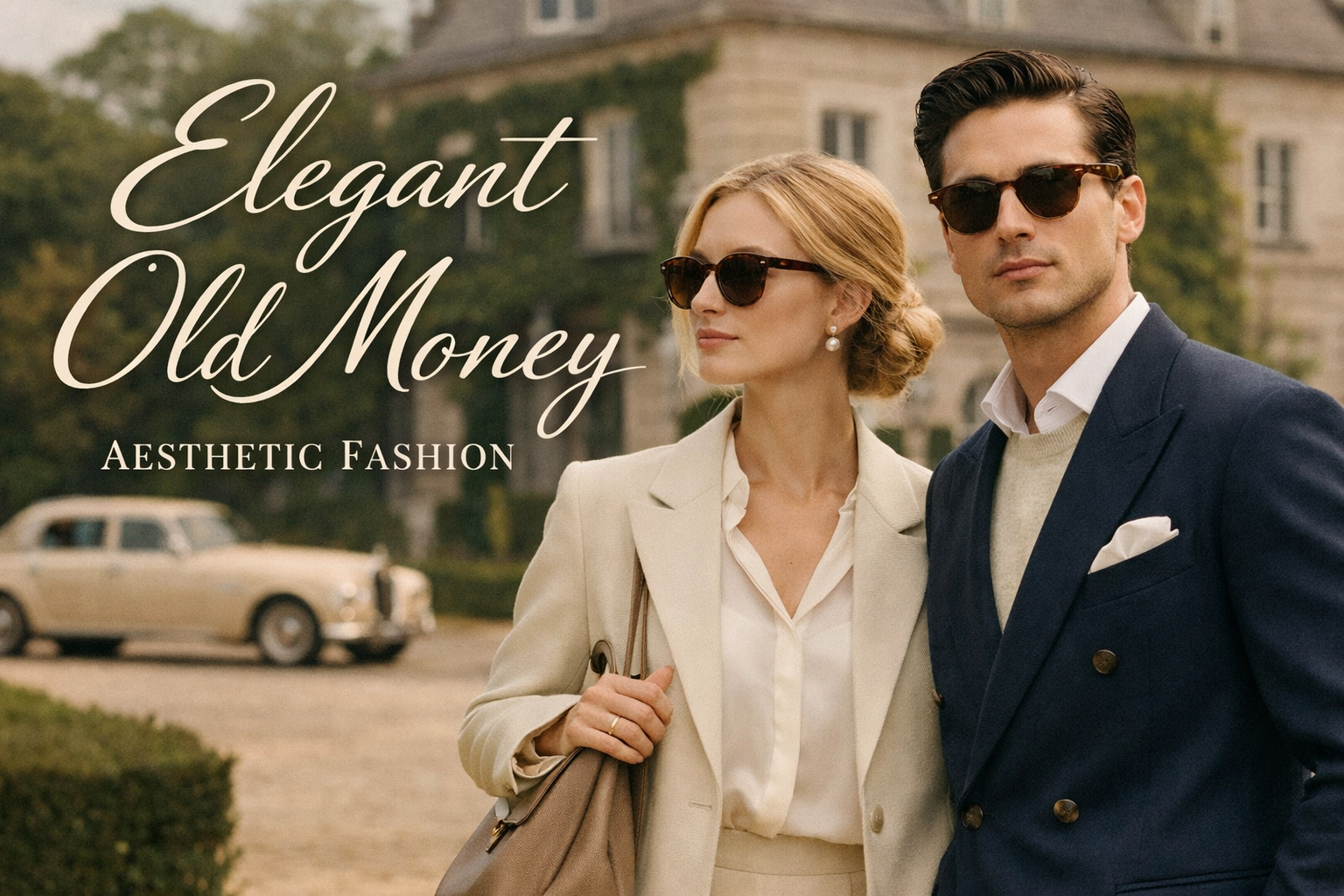
Old Money fashion is not a trend, nor is it a revival designed for visual impact. It is a cultural language shaped by generations of discretion, inherited taste, and an intimate understanding of quality. Unlike fashion movements that seek attention or disruption, Old Money style exists outside of urgency. It evolves slowly, guided by continuity rather than novelty.
At its core, Old Money fashion rejects the idea that wealth or status must be displayed. Logos are unnecessary, exaggeration is discouraged, and trends are treated with skepticism. Instead, meaning is communicated through subtlety: the weight of a fabric, the balance of a silhouette, the quiet confidence of a woman who understands that refinement does not require explanation.
In womenswear, this philosophy manifests as timeless tailoring, neutral palettes, and garments designed to endure decades rather than seasons. For Black women, Old Money fashion offers something particularly powerful: an aesthetic that aligns dignity, self-possession, and elegance without requiring assimilation or loss of cultural identity. It is not about imitating historical elites, but about mastering the principles of restraint, excellence, and self-definition.
Old Money Style as a Form of Visual Discipline
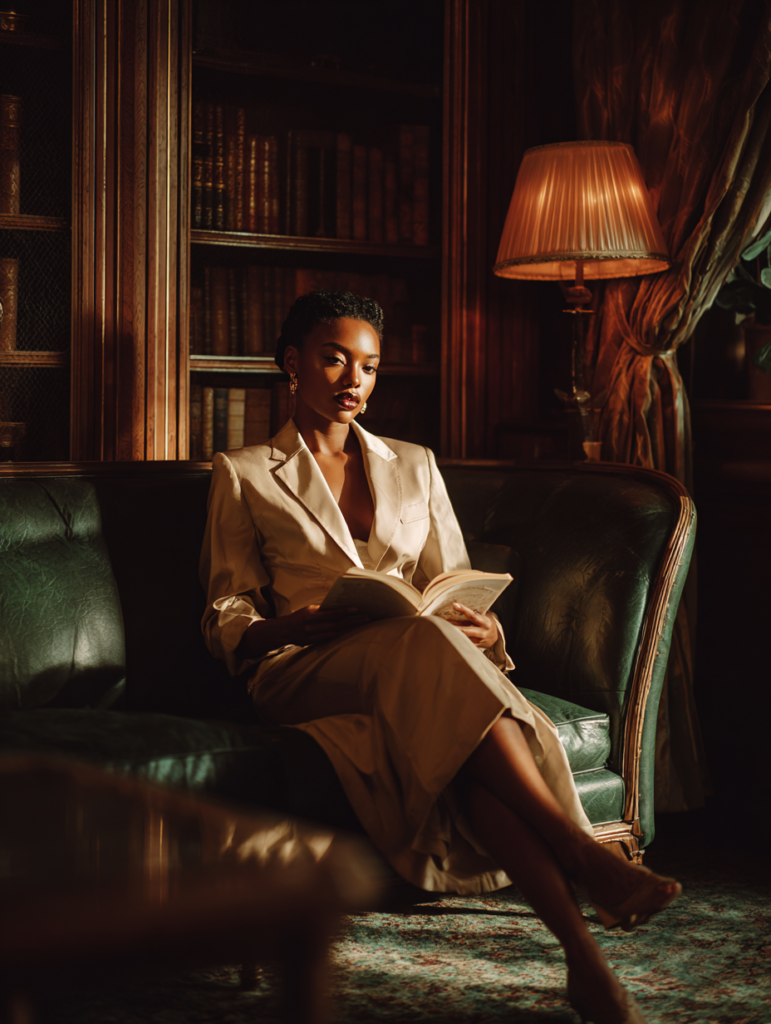
Old Money fashion is disciplined. Every element serves a purpose, and nothing exists purely for decoration. The cut of a jacket, the fall of a trouser, the selection of leather—each decision reflects intention.
This discipline results in clothing that feels calm rather than performative. The wearer is never overwhelmed by her outfit, nor does the outfit compete with her presence. Instead, clothing becomes an extension of character.
For Black women, this discipline can be transformative. In a world where Black femininity is often stereotyped, over-stylized, or reduced to spectacle, Old Money fashion provides a visual language of authority and composure. It communicates intellect, discernment, and quiet power—qualities that require no validation.
The Old Money Tailored Classic Ensemble Defined
The Old Money Tailored Classic Ensemble represents the foundation of this aesthetic. It is not a single outfit, but a system of dressing built around structure, balance, and restraint.
Each component works in harmony, creating a look that feels cohesive, confident, and timeless.
The Tailored Blazer: Structure and Authority
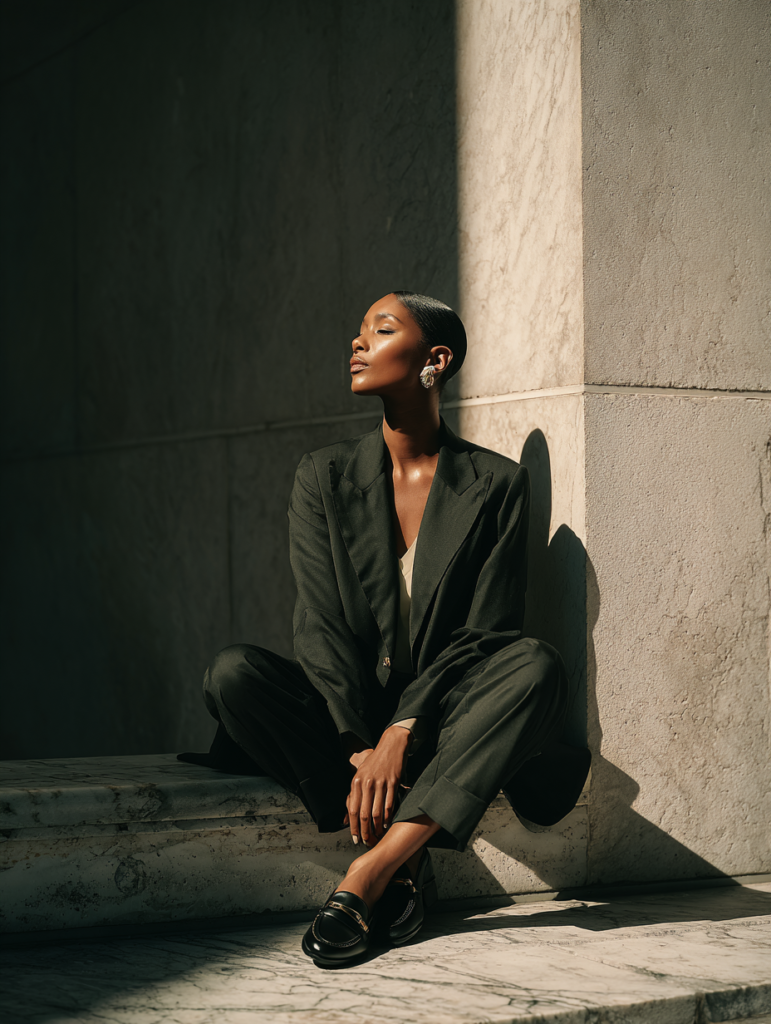
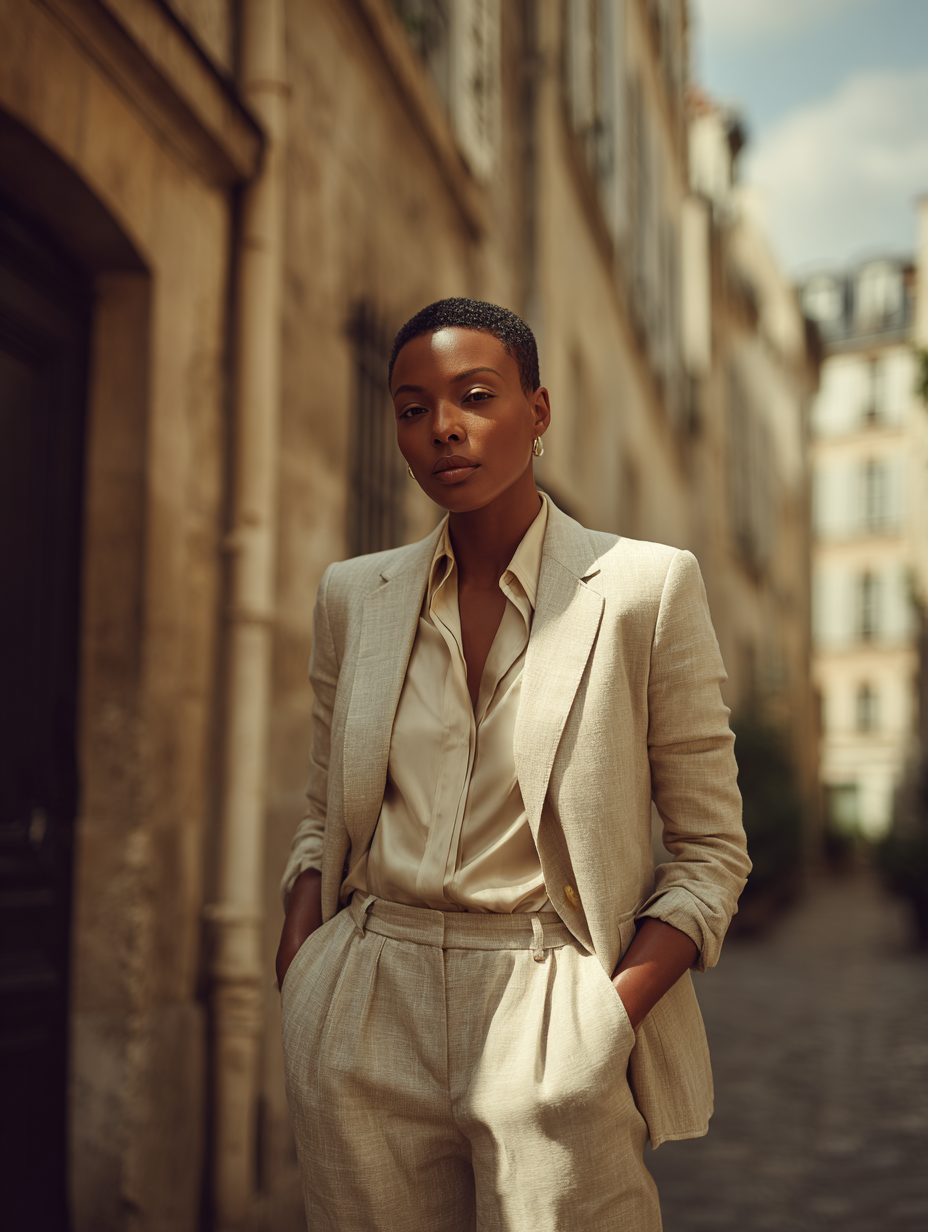
The tailored blazer is the cornerstone of Old Money dressing. It establishes posture, frames the body, and conveys composure before a word is spoken.
A true Old Money blazer is defined by precision rather than trend. Shoulders are structured but not exaggerated. The waist is subtly shaped, allowing movement without sacrificing form. Lapels are classic in width, never extreme. The length respects proportion, typically covering the hip for balance and longevity.
Fabric selection is critical. Wool, wool-cashmere blends, or high-quality tweeds provide weight and durability. These materials age well, developing character rather than deterioration. Colors such as camel, navy, soft grey, ivory, and chocolate brown ensure versatility and timeless appeal.
For Black women, the blazer becomes a symbol of controlled strength—sharp without being aggressive, elegant without softness being mistaken for fragility.
The Blouse: Quiet Refinement
Beneath the blazer lies the blouse, chosen not to attract attention but to support the composition. Silk and fine cotton are preferred for their breathability, drape, and understated luxury.
Design details remain minimal: clean collars, refined button plackets, subtle necklines. There are no ruffles, excessive sheerness, or decorative flourishes. The blouse exists to soften the structure of the blazer while maintaining visual discipline.
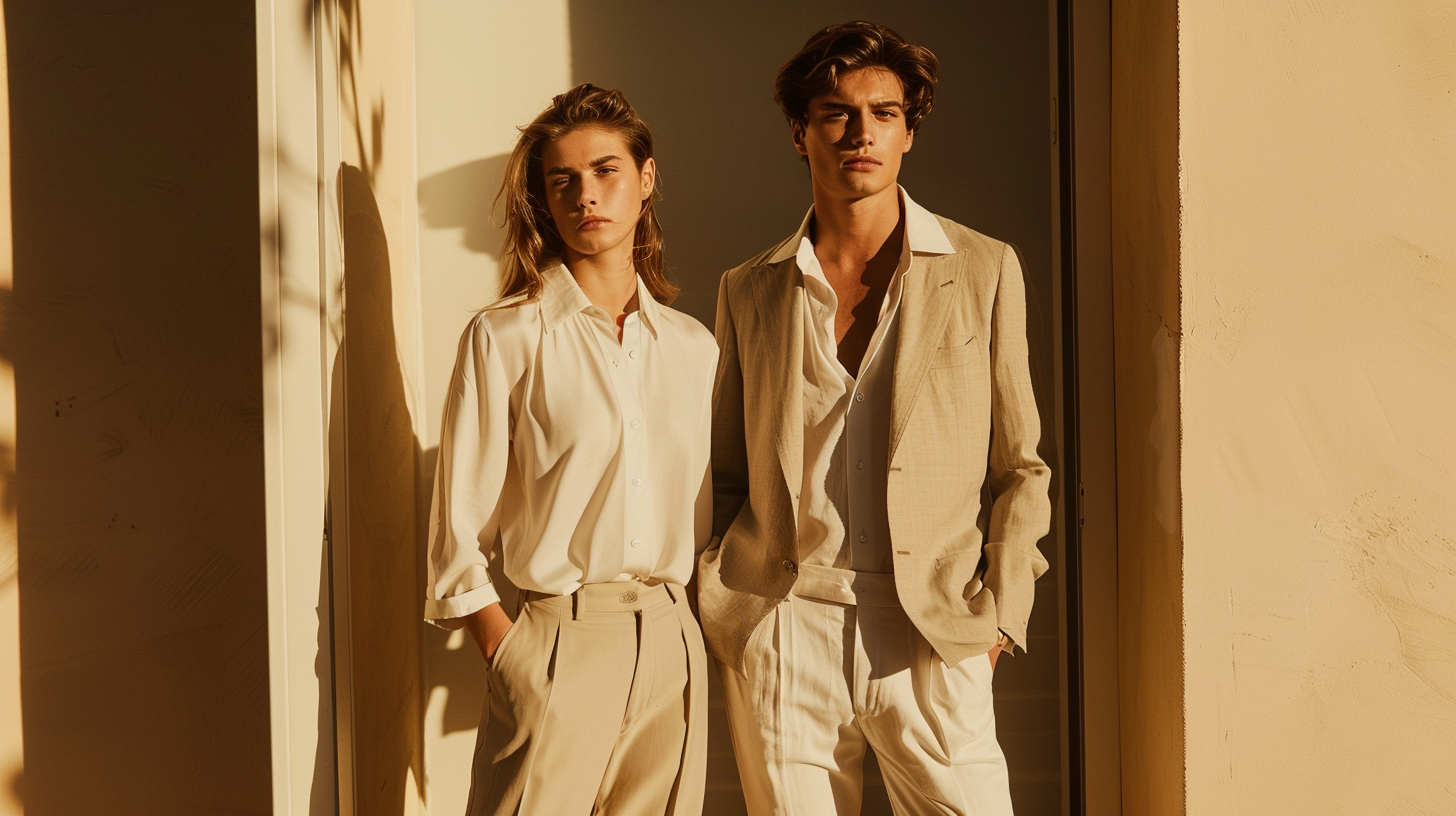
Neutral shades—ivory, cream, pale beige, or soft grey—enhance the ensemble without disrupting its harmony. The result is effortless elegance that appears natural rather than curated.
Wool Trousers or the Midi Skirt: Balance and Movement
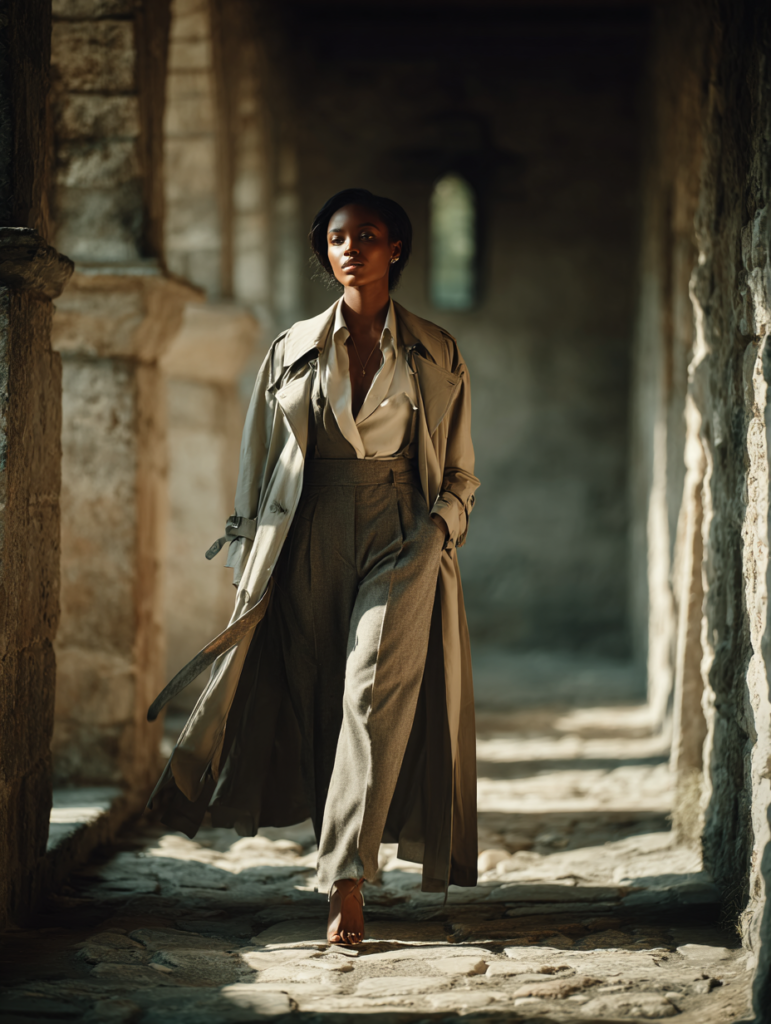
The lower half of the ensemble grounds the look. Wool trousers with a straight or gently tapered cut are the most traditional choice, offering structure while allowing ease of movement. Pleats, if present, are subtle and functional.
Alternatively, a tailored midi skirt provides a refined feminine option. The hem falls below the knee, maintaining modesty and proportion. The silhouette is clean—A-line or pencil—with no unnecessary slits or embellishments.
In both cases, fit is paramount. Old Money fashion never tolerates excess fabric or restriction. Clothing must move with the body, enhancing posture rather than limiting it.
The Trench Coat: Heritage and Continuity
Few garments embody Old Money values as clearly as the trench coat. Originally designed for function, it has endured because of its adaptability and timeless structure.
A classic trench in beige, camel, or stone elevates the ensemble while reinforcing its heritage roots. The cut is fluid but intentional, with thoughtful details such as storm flaps, belts, and structured collars.
Worn open or belted, the trench coat adds an air of effortless sophistication. It suggests a life in motion—unhurried, purposeful, and composed.
Footwear: Grounded Elegance
Footwear in Old Money fashion is selected for longevity and stability, not trend appeal. Loafers in polished leather, low block heels, or understated pumps complete the ensemble with quiet authority.
The shoe should never dominate the outfit. Instead, it supports it—both visually and physically. Comfort is not sacrificed, as confidence cannot exist without ease.
Neutral shades such as black, brown, navy, or taupe ensure cohesion and adaptability across settings.
Accessories: The Art of Restraint
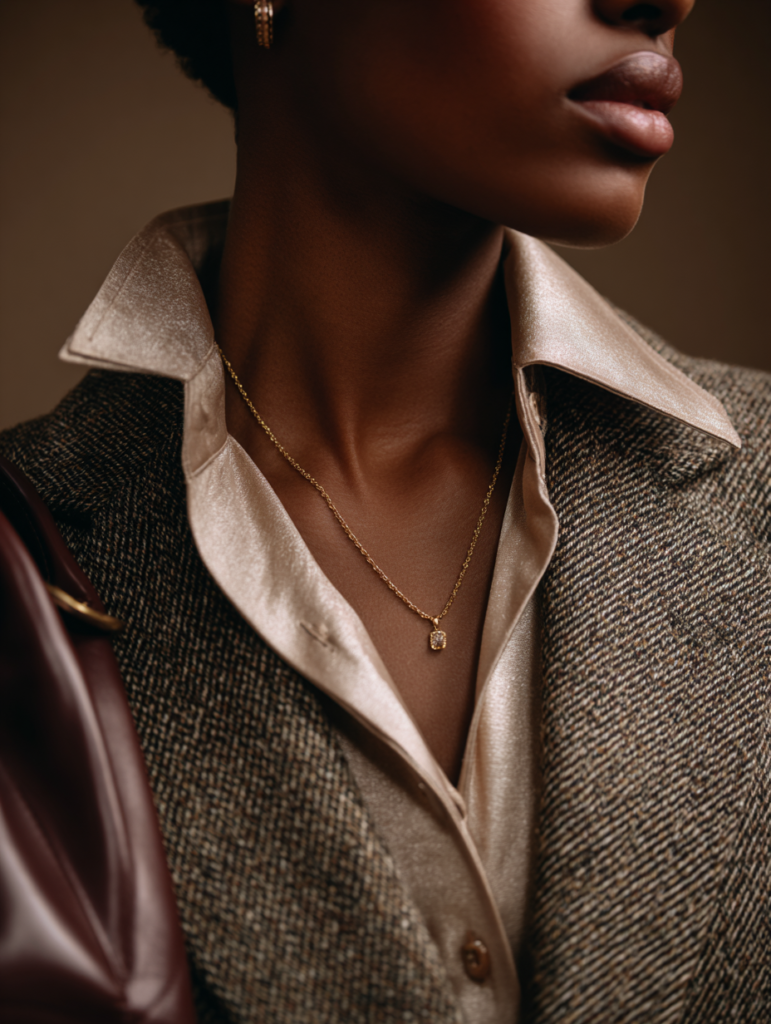
Accessories in the Old Money Tailored Classic Ensemble are minimal and intentional. Jewelry is limited to refined gold pieces: small hoops, thin chains, discreet studs, or a classic timepiece.
The handbag is structured, crafted from high-quality leather, and free from visible branding. Its design prioritizes form and function, signaling discernment rather than display.
Each accessory serves as a punctuation mark, not an exclamation.
The Power of a Neutral, Classic Color Palette
Color in Old Money fashion is never accidental. Neutrals form the backbone of the wardrobe because they transcend time and facilitate harmony.
Ivory, beige, camel, navy, chocolate brown, and grey work together seamlessly. These tones create visual calm and allow garments to layer without conflict.
On Black women, these shades offer exceptional depth and contrast. Rather than washing out the complexion, they highlight it, creating an image of richness and balance. The palette reinforces the idea that elegance does not need intensity—it needs clarity.
Fabric, Tailoring, and Craftsmanship: The Invisible Luxury
True Old Money style begins where fast fashion ends. Fabric quality determines how a garment feels, moves, and ages. Natural fibers dominate because they breathe, drape beautifully, and develop character over time.
Tailoring transforms clothing into personal architecture. A properly tailored blazer or trouser enhances posture, elongates the silhouette, and communicates intention. This precision is not about perfection, but about alignment—between garment and body, form and function.
Craftsmanship is the quiet signature of luxury. Clean seams, thoughtful construction, balanced proportions, and durability define garments meant to last decades. This is fashion that respects time.
Grooming and Presentation: Elegance as a Complete Image
Old Money fashion extends beyond clothing into grooming and demeanor. Hair is natural or neatly styled, always intentional. Whether worn in its natural texture, pulled back, or softly shaped, it reflects care rather than effort.
Makeup remains minimal and refined. The goal is enhancement, not transformation. Skin appears healthy, features are softly defined, and the overall effect is polished yet understated.
Posture and presence complete the look. Old Money elegance is carried in movement—unrushed steps, composed gestures, and an air of quiet assurance. Confidence is felt, not announced.
Cultural Identity and Individual Expression
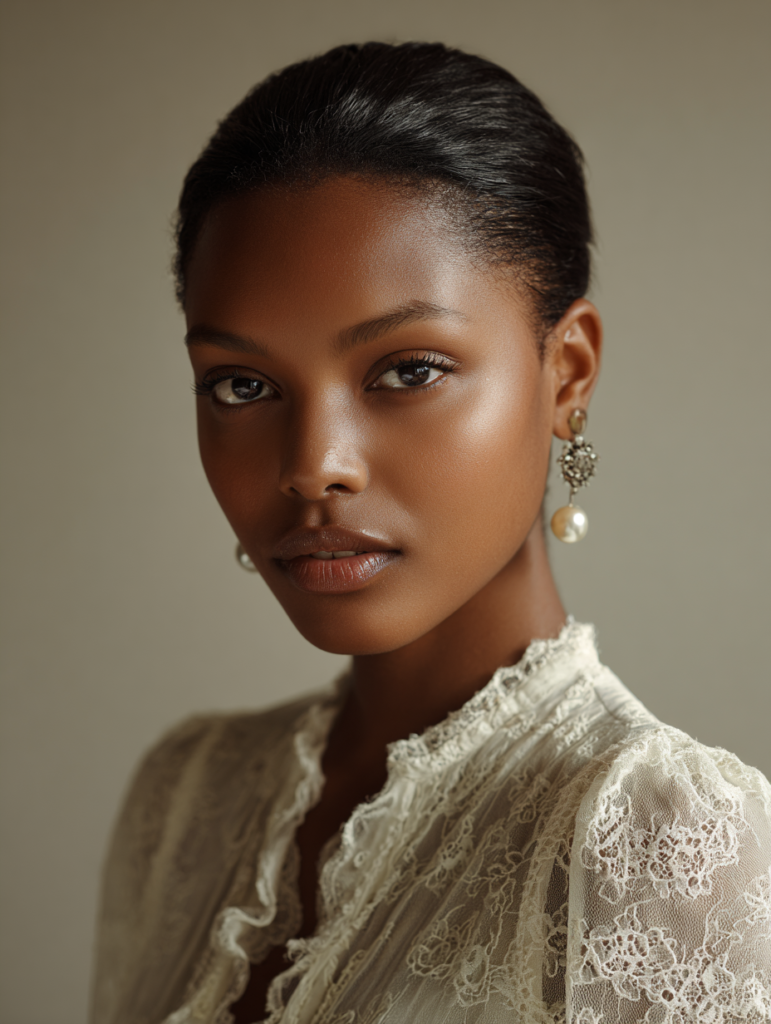
Adopting Old Money style does not require abandoning individuality or cultural identity. For Black women, it offers a framework through which personal heritage and refinement coexist.
The tailored classic ensemble becomes a vessel for self-expression through fit, texture, and presence rather than spectacle. It allows Black women to define elegance on their own terms—rooted in dignity, excellence, and autonomy.
This approach reframes luxury not as exclusion, but as mastery.
Why the Old Money Tailored Classic Ensemble Endures
In an era dominated by trend cycles, visibility, and rapid consumption, the Old Money Tailored Classic Ensemble remains relevant precisely because it resists change for its own sake.
It represents quiet luxury: confidence without noise, elegance without excess, and power without performance. It is a reminder that true style does not chase attention—it commands respect.
For Black women, this ensemble is more than a fashion choice. It is a statement of self-possession, refinement, and timeless authority. It proves that elegance is not borrowed—it is embodied.