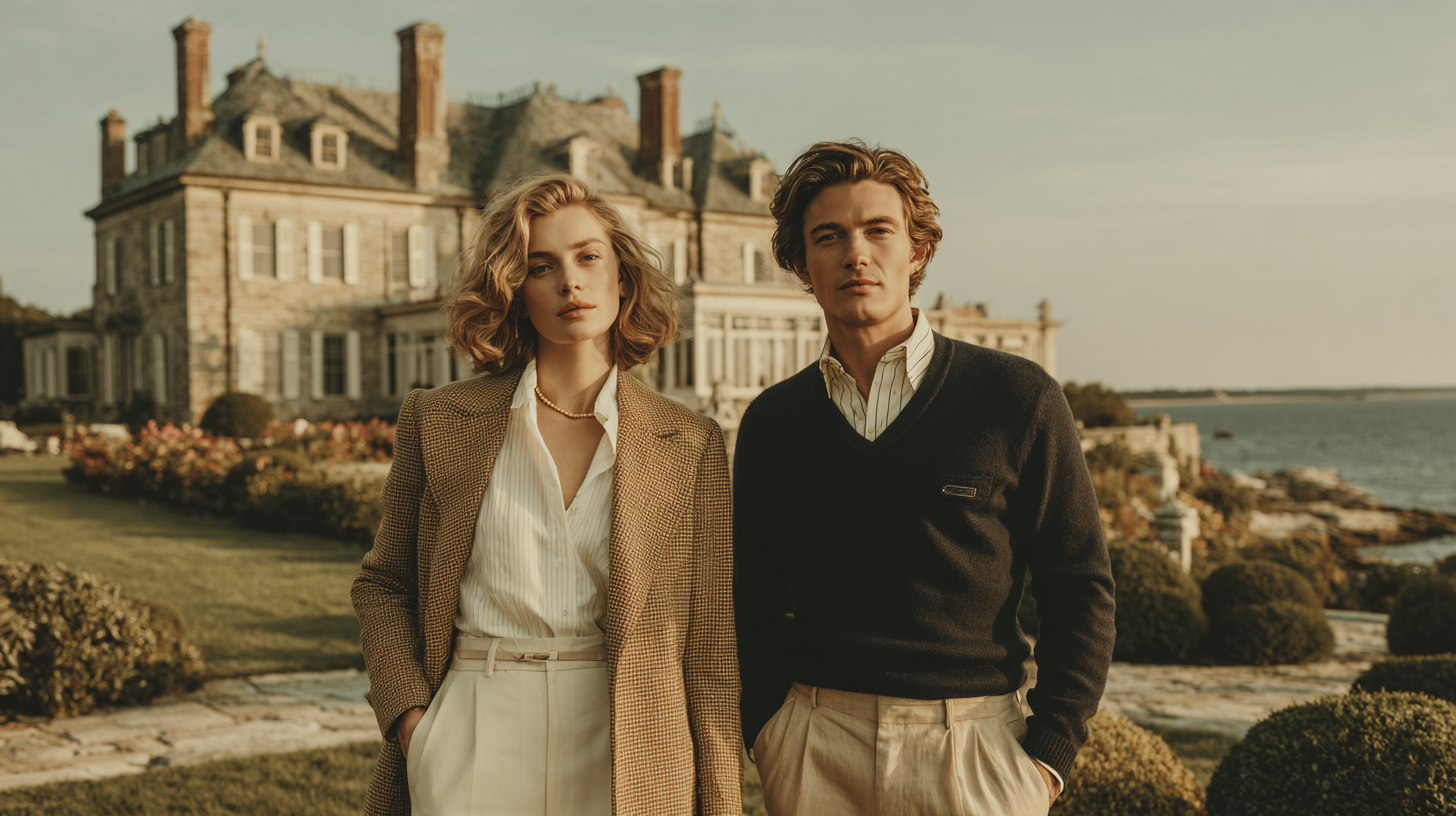
In an era dominated by influencer-driven trends, viral TikTok hauls, and logo-heavy status symbols, a quiet revolution has taken hold in the world of high fashion. Enter Old Money and Quiet Luxury—two intertwined aesthetics that whisper wealth rather than shout it. They embody restraint, heritage, and an unapologetic commitment to timeless quality over fleeting hype. For a fashion and luxury website like yours, this topic isn’t just relevant; it’s a goldmine for readers craving sophistication in a noisy world.
Old Money refers to the visual and lifestyle codes of generational wealth—think East Coast elites, European aristocracy, or Ivy League legacies where elegance is inherited, not purchased overnight. Quiet Luxury, often called “stealth wealth,” is its modern, minimalist evolution: high-end pieces stripped of obvious branding, prioritizing exquisite materials, impeccable tailoring, and subtle signals that only insiders recognize. Popularized by HBO’s Succession in 2023 (with characters like Shiv Roy in buttery Loro Piana cashmere and neutral tailoring), it exploded on social media through Sofia Richie’s wedding looks, Gwyneth Paltrow’s courtroom chic, and Gen Z’s obsession with preppy icons like JFK Jr. and Carolyn Bessette-Kennedy.
By 2026, this isn’t a passing fad—it’s evolved into what experts dub “Quiet Luxury 2.0.” Focus has shifted to emotional utility, sustainable craftsmanship, and circular longevity, with brands introducing digital product passports for traceability. It’s no longer just about looking rich; it’s about living with intention, where a $3,000 cashmere sweater feels like an heirloom. This aesthetic rejects fast fashion’s excess, embracing pieces designed to last generations. In this comprehensive guide—spanning over 2,500 words—we’ll unpack the history, key elements, brands, styling tips, and future of Old Money and Quiet Luxury. Whether you’re building a capsule wardrobe or curating content for your audience, this is your blueprint for understated opulence.
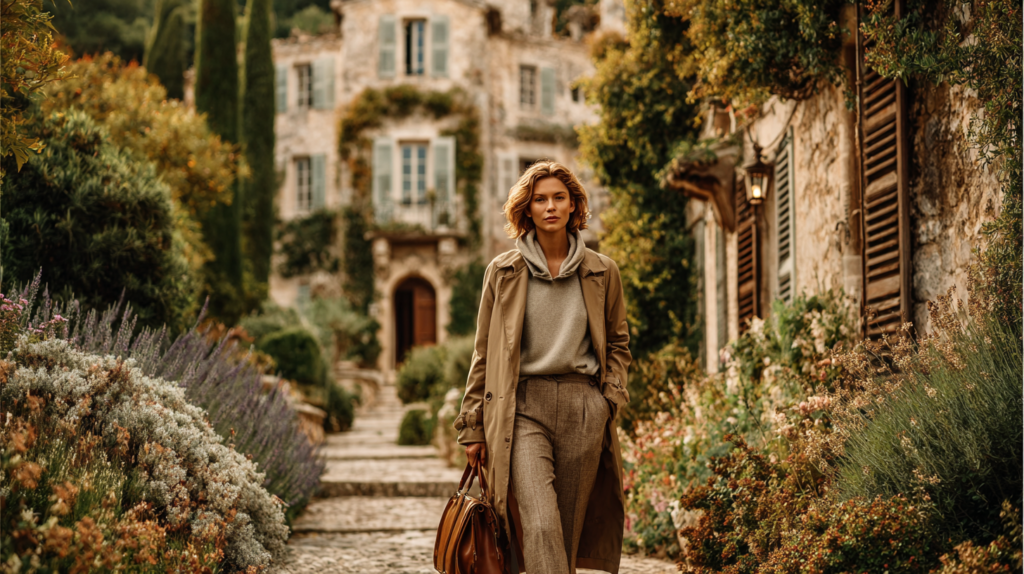
The Roots of Old Money: A Legacy of Restraint and Heritage
Old Money style traces back centuries to the upper echelons of society—think British aristocracy, American “robber barons” whose descendants refined their tastes over generations, or European families tied to old estates and sailing clubs. Unlike New Money’s flashy displays (logo-splashed bags, flashy cars, trend-chasing), Old Money prioritizes discretion. Wealth here is assumed, not advertised. As one fashion historian notes, it’s “the uniform of those who belong without needing to prove it.”
Visually, it draws from mid-20th-century prep culture: polo matches in the Hamptons, Oxford quad strolls, or French Riviera yacht gatherings. Icons like Princess Diana (in tailored blazers and pearls), Jackie Kennedy Onassis (simple shifts and headscarves), or Ralph Lauren’s own campaigns from the 1980s and ’90s captured this effortlessly. Films like The Talented Mr. Ripley (1999) and recent hits like Saltburn romanticized it, blending old-world charm with aspirational allure.
At its core, Old Money is a philosophy: quality over quantity, manners over ostentation, and legacy over novelty. Clothes are chosen for longevity—fabrics that age gracefully, silhouettes that transcend seasons. It’s not about the latest runway; it’s about what your grandmother (or great-grandfather) might have worn, passed down with stories. This restraint signals confidence: true power doesn’t need validation from strangers scrolling Instagram.
In 2026, Old Money resonates amid economic uncertainty and sustainability concerns. Younger generations, weary of overconsumption, see it as a antidote to “dupes” and disposable trends. It’s generational wealth reimagined—not gatekept, but accessible through mindful choices.
Quiet Luxury: From Niche to Mainstream Phenomenon
Quiet Luxury emerged as the 2020s’ answer to logomania. While Old Money is rooted in heritage, Quiet Luxury is the behavioral and aesthetic extension: expensive clothes that look deceptively simple. No monograms, no screaming labels—just premium cashmere, vicuña wool, or Grade-A leather that feels indulgent to the touch.
The Succession effect was seismic. Costume designer Michelle Matland dressed the Roy family in Loro Piana baseball caps, Brunello Cucinelli knits, and Armani tailoring—pieces costing thousands but unrecognizable to outsiders. Shiv Roy’s power suits in muted tones became shorthand for “billionaire chic.” TikTok amplified it: #OldMoneyAesthetic garnered millions of views, with users recreating monochromatic looks from J.Crew ads and Ralph Lauren archives.
By 2024-2025, it mainstreamed further. Sofia Richie’s minimalist wedding wardrobe, Kendall Jenner’s pared-back Coachella ensembles, and even Gwyneth Paltrow’s ski-trial outfits (crisp button-ups and tailored trousers) fueled the fire. Brands like The Row (founded by Mary-Kate and Ashley Olsen) skyrocketed, proving minimalism could command cult status.
In 2026, it’s matured. No longer “dying” as some predicted, it’s evolved with “Quiet Luxury 2.0”: sustainable innovations like ECONYL® regenerated nylon, ethical sourcing (Loro Piana’s focus on vicuña welfare), and tech like digital passports verifying provenance. It’s less about hiding wealth and more about intentional living—pieces that evoke calm, confidence, and continuity in a chaotic world.
Old Money vs. Quiet Luxury: Nuances and Overlaps
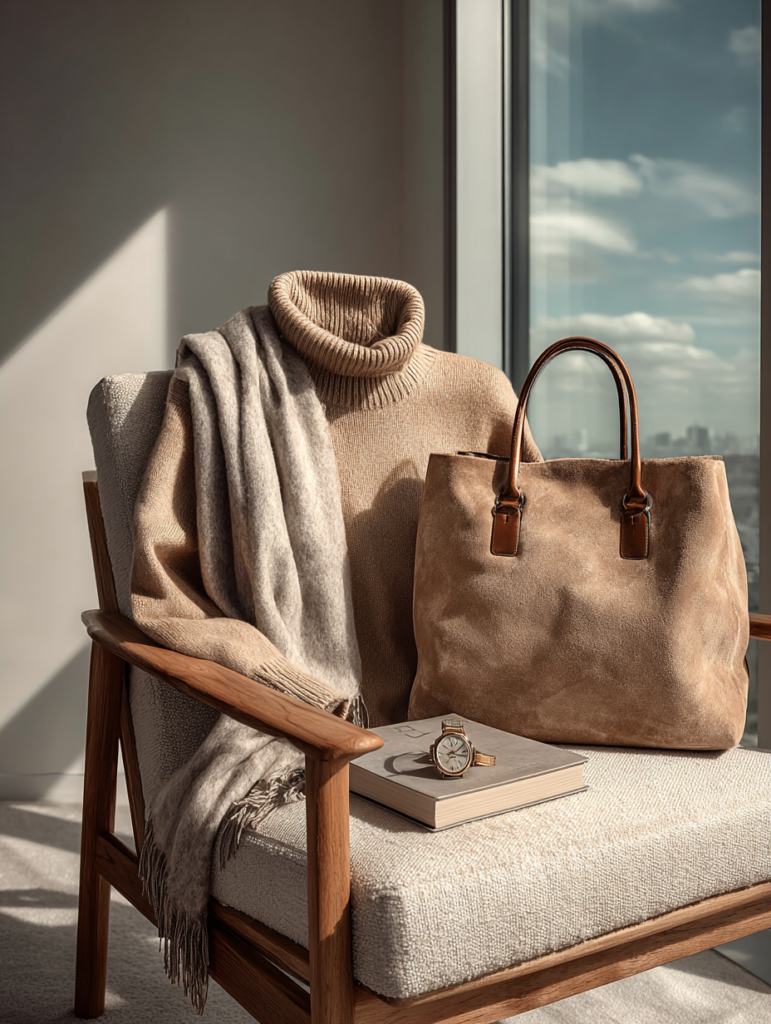
While often used interchangeably, distinctions matter. Old Money is the aesthetic and lifestyle—heritage-driven, tied to tradition, equestrian sports, or sailing. It’s conservative, preppy, and rooted in class codes. Quiet Luxury is the modern behavior: logo-free, minimalist, versatile for today’s fast-paced life. One is generational; the other is aspirational craftsmanship.
Key Differences:
- Old Money: Timeless classics like pleated chinos, cable-knit sweaters, and navy blazers. Think Ralph Lauren Purple Label or heritage tailoring. Emphasis on proportion, manners, and subtle family crests (if any).
- Quiet Luxury: Elevated basics—oversized cashmere hoodies, suede totes without hardware, silk scarves. Brands like The Row or Khaite lean modern-minimal.
- Overlap: Both reject flash. A Loro Piana cashmere sweater fits both: old-world luxury meets quiet execution.
Similarities: Restraint, neutrals, quality. In 2026, they converge in “stealth wealth” wardrobes that prioritize emotional utility—clothes that make you feel grounded and powerful.
New Money, by contrast, embraces bold logos (Gucci belts, Supreme drops) and trends. The divide? Old Money/Quiet Luxury whispers; New Money broadcasts.
The Visual Language: Colors, Fabrics, and Silhouettes That Define the Aesthetic
Master the palette: neutrals dominate—ivory, camel, navy, olive, soft gray, beige, black, and white. Monochromatic outfits create cohesion and calm. Avoid brights or patterns unless subtle (think faint pinstripes or houndstooth).
Fabrics are non-negotiable:
- Cashmere and vicuña (Loro Piana’s specialty) for buttery softness.
- Crisp linen and cotton for summer.
- Wool, silk, and high-grade leather for structure.
- Sustainable twists in 2026: regenerated materials and traceable sourcing.
Silhouettes emphasize tailoring without constriction—relaxed yet polished. Clean lines, impeccable fit, and versatility. No bodycon or oversized trends; proportion is everything. Layering adds depth: a cashmere turtleneck under a trench, or a polo beneath a blazer.
Accessories whisper luxury: Patek Philippe watches, Goyard totes (subtle pattern), or Delvaux bags. Minimal jewelry—perhaps a single gold chain or pearl studs. Footwear: loafers, Chelsea boots, or elegant flats in suede or leather.
Must-Have Wardrobe Essentials: Building Your Timeless Capsule
A Quiet Luxury/Old Money wardrobe is a capsule: 10-15 investment pieces that mix endlessly. Focus on fit—tailor everything.
Core Essentials (Unisex Appeal):
- Tailored Blazer: Navy or camel wool; structured shoulders, single-breasted. Pairs with everything.
- Cashmere Sweater or Cardigan: Neutral tones; crewneck or V-neck from Brunello Cucinelli or Loro Piana.
- Crisp Oxford Shirt or Button-Up: White or light blue; perfect collar roll.
- Tailored Trousers or Chinos: Straight-leg, high-waisted in wool or cotton.
- Trench Coat: Beige or khaki; double-breasted, knee-length.
- Polo Shirt or Knit Top: Striped or solid; for casual refinement.
- Loafers or Derbies: Suede or polished leather; no flashy hardware.
- Silk Scarf or Cashmere Wrap: For polish and layering.
- Leather Tote or Weekender: Subtle like Valextra or Goyard.
- Heritage Watch: Slim, understated (Patek or Cartier Tank).
For women: Add A-line skirts, pleated trousers, or midi dresses in neutral silk. For men: Add cable-knit sweaters, boat shoes, or suede jackets.
Outfit Ideas for 2026:
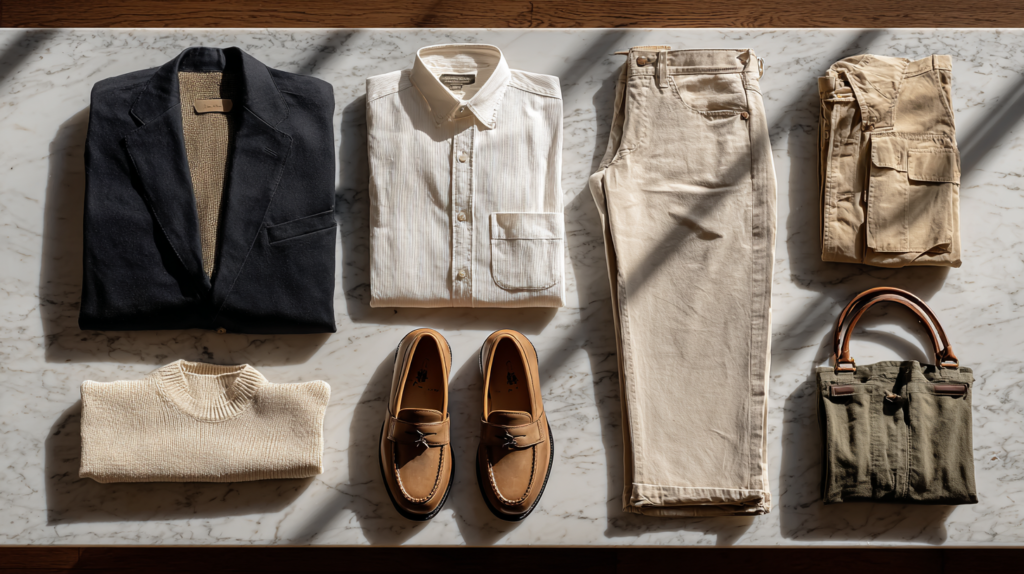
- Office Elegance: White Oxford + camel blazer + tailored gray trousers + loafers + subtle Patek watch.
- Weekend Sophistication: Navy cashmere sweater over polo + chinos + trench + suede Chelsea boots.
- Evening Timeless: Black silk blouse + ivory trousers + statement (but minimal) earrings + The Row leather bag.
Invest once: A $2,000 Loro Piana sweater lasts decades, unlike fast-fashion equivalents.
Iconic Brands: The Guardians of Subtle Sophistication
These houses define the space—no logos, just legacy:
- Loro Piana: “Master of Cashmere.” Vicuña coats, cloud-like knits. Worn by billionaires like Bernard Arnault.
- Brunello Cucinelli: Italian king of relaxed luxury. Ethical cashmere, “humanistic” philosophy. Favored by Anne Hathaway, Jennifer Lopez.
- The Row: Olsen twins’ minimalist empire. Oversized tailoring, luxe basics. Cult status in 2026.
- Ralph Lauren (Purple Label): American Old Money archetype. Preppy polos, tailored suits.
- Hermès: Subtle Birkins (if you know, you know). Scarves and leather goods.
- Others: Goyard (totes), Delvaux, Canali (suits), Valextra (bags), Charvet (shirts), Khaite, Toteme, Kiton.
In 2026, these emphasize sustainability—traceable fibers, circular programs.
Styling Tips: Achieving Effortless Elegance Daily
- Fit is King: Tailor ruthlessly. Sleeves hit the wrist bone; trousers break slightly over shoes.
- Monochrome Magic: Head-to-toe neutrals for instant polish.
- Layer Thoughtfully: Textures (cashmere over silk) add depth without clutter.
- Accessories Subtly: One statement piece max. Quality shoes elevate any look.
- Mind the Details: Perfect posture, grooming, and poise complete the vibe.
- Budget-Friendly Entry: Shop Uniqlo for elevated basics, J.Crew for preppy staples, then invest in one hero piece yearly.
Avoid: Visible logos, trends, ill-fitting clothes, or over-accessorizing.
Cultural Impact: Why It Resonates in 2026
Post-pandemic, amid climate awareness and economic flux, this aesthetic offers escapism and empowerment. Gen Z and Millennials, via TikTok and Pinterest, romanticize it as anti-fast-fashion rebellion. Succession, Ripley, and The Bear reinforced its narrative power. It democratizes luxury: you don’t need millions to embody it—just discernment.
On e-commerce, it shifted dupe culture toward “investment dupes.” Brands report surging demand for neutrals and tailoring.
Sustainability and the Future: Quiet Luxury 2.0
True Old Money has always been sustainable—buy less, better. In 2026, it’s amplified: Loro Piana’s animal welfare programs, Brunello Cucinelli’s fair labor, The Row’s timeless designs. Digital passports track ethics. The future? Personalization without logos, hybrid workwear blending heritage and innovation, and inclusivity broadening the narrative beyond Eurocentric roots.
Designers predict individualism over uniformity, but the core endures: quality as the ultimate luxury.